




















CBT Therapy in California for Anxiety, Depression, and Stress
When anxious thoughts, persistent worry, or low mood begin to affect your daily life, it can become difficult to concentrate, maintain relationships, or feel confident in your decisions. CBT therapy in California offers an evidence-based approach to understanding these challenges and developing healthier ways to respond to them.
Cognitive Behavioral Therapy (CBT) explores the connection between your thoughts, emotions, and behaviors. With the support of a therapist, you can identify unhelpful thinking patterns, recognize habits that may be holding you back, and practice new responses to difficult situations.
Cognitive-behavioral therapy (CBT) is a structured, skills-based psychological intervention that significantly reduces anxiety symptoms by targeting the direct relationships between thoughts, emotions, and behaviors. Extensive scientific evidence confirms that CBT changes the brain’s baseline stress response by strengthening the logic-driven prefrontal cortex while down-regulating hyperactivity in the amygdala, which acts as the brain’s fear center. Data from a comprehensive series of meta-analyses published in JAMA Psychiatry covering 375 randomized clinical trials demonstrated that adults undergoing CBT experienced substantial symptom drops for generalized anxiety, social anxiety, and panic disorders, yielding nearly three times the odds of clinical recovery compared to control placebos. Unlike anti-anxiety medications, which often carry high relapse rates upon discontinuation, longitudinal research published on PubMed Central proves that the benefits of CBT persist for 12 months or longer post-treatment because the therapy equips patients with long-lasting cognitive tools they can practice independently.
At Trust Mental Health, treatment focuses on your individual experiences and needs. Your therapist can work collaboratively with you to explore appropriate therapeutic approaches and establish goals that support your emotional well-being.

How does Cognitive Behavioral Therapy work?
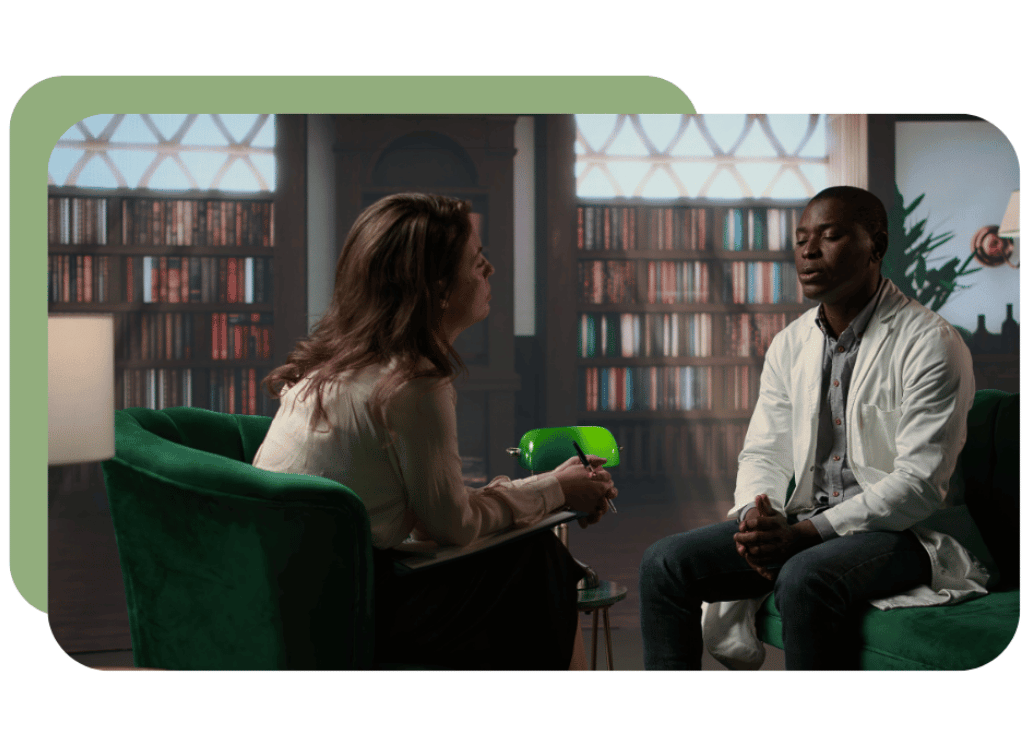
Cognitive behavioral therapy (CBT) works by helping you understand the connection between your thoughts, emotions, and behaviors. With the support of a therapist, you can identify unhelpful patterns that may contribute to anxiety, depression, stress, or other emotional challenges.
During CBT sessions, you work with your therapist to recognize negative thinking patterns, question unhelpful beliefs, and explore healthier ways of responding to difficult situations. Your therapist may also introduce practical exercises and coping strategies that you can practice in your everyday life.
CBT is a structured, goal-oriented approach that focuses on building skills you can use beyond therapy sessions. At Trust Mental Health, treatment is tailored to your individual needs, helping you develop more balanced thinking patterns, manage emotions, and make meaningful changes in your daily life.
Get StartedHow CBT Techniques Work in Everyday Life
CBT is a practical, goal-oriented approach that encourages you to participate actively in your progress. Your therapist may help you examine evidence for and against a negative thought, consider alternative perspectives, practice grounding techniques, and gradually change behaviors that are no longer helpful.
The techniques used depend on your concerns, treatment goals, and individual needs. With regular practice, these skills may help you respond to challenges more effectively and support progress beyond therapy sessions.
To practice these skills in everyday life, explore our helpful CBT worksheets: Behavioral Activation, Balance Your Thoughts, and How to Self-Regulate.
WE OFFER THERAPY IN
English, Spanish, Mandarin, Hindi, Farsi, Ukranian, Armenian, Tagalog, Hokkien, Mongolian, Japanese, Hebrew, French, Teochew, Italian, Arabic, Punjabi, Korean, Vietnamese, Urdu, Tamil, Malay, Thai, Taiwanese, Russian, German.

What Does Cognitive Behavioral Therapy Help You Develop?
Cognitive Behavioral Therapy (CBT) helps you understand the connection between your thoughts, emotions, and behaviors. Through structured sessions with a therapist, you can identify unhelpful thinking patterns, develop practical coping strategies, and build healthier ways to respond to everyday challenges.
Recognizing Unhelpful Thought Patterns
Identify negative assumptions, irrational beliefs, and thinking habits that may contribute to emotional distress. Learn to examine these thoughts and consider more balanced perspectives.
Understanding Behavioral Patterns
Explore how your reactions, habits, and interpretations of situations influence your feelings and relationships. Recognize patterns that may be keeping you from moving forward.
Developing Healthy Coping Skills
Learn practical techniques to manage stress, anxiety, difficult emotions, and everyday challenges. Build strategies that help you respond more constructively to stressful situations.
Building Self-Confidence
Strengthen your confidence in making decisions, handling setbacks, and solving problems. Develop a more balanced view of yourself and your ability to manage difficulties.
Facing Fears Gradually
With your therapist's guidance, work toward facing feared situations at a manageable pace. When appropriate, gradual exposure can help reduce avoidance and build confidence.
Practicing Problem-Solving
Break overwhelming challenges into smaller, manageable steps. Explore realistic solutions, evaluate your options, and develop practical ways to address everyday problems.
Improving Emotional Awareness
Recognize emotional triggers and explore how thoughts and behaviors influence your feelings. This awareness can help you respond to difficult emotions with greater understanding.
Practicing New Behaviors
Apply new coping strategies through practical exercises, role-playing, and between-session activities. Practice using these skills in everyday situations to support your treatment goals.
MEET OUR THERAPISTS

Saleha Pirzada
LCSW
English, Urdu

Diane Keller
AMFT
English

Leane Reelfs
AMFT & APCC
English

Mende Chang
AMFT
English, Mandarin

Maryam Bendary
ASW
English

Miguel Salvana
APCC
English, Tagalog
Saleha Pirzada
LCSW
English, Urdu
Diane Keller
AMFT
English
Leane Reelfs
AMFT & APCC
English
Mende Chang
AMFT
English, Mandarin
Maryam Bendary
ASW
English
Miguel Salvana
APCC
English, Tagalog
Our Cognitive Behavioral Therapy Process in California
Understand your thought patterns, develop practical coping skills, and work toward meaningful progress with personalized CBT treatment.
What Our Clients Are Saying
"After some sudden and difficult life changes, I was desperate for help. However, everywhere I looked therapists in my area were either not accepting patients or had months' worth of wait. I was lucky to have found Trust Mental Health. They were able to get me connected with a therapist online. Taking sessions online through zoom has been easy and allows me the comfort of my own home. I wholeheartedly recommend this service. I can't thank Trust Mental Health enough for supporting me through difficult times."
Why Choose Trust Mental Health for CBT?
Finding the right therapist can make a difference in your therapy experience. At Trust Mental Health, we focus on individualized care, practical strategies, and a supportive environment to help you work toward your mental health goals.
Personalized CBT Treatment
Your therapist works with you to understand your concerns, identify unhelpful thought patterns, and develop strategies suited to your individual needs and treatment goals.
Evidence-Based Approach
Cognitive Behavioral Therapy is a structured, research-supported approach that helps you examine the connection between thoughts, emotions, and behaviors.
Practical Coping Strategies
Learn techniques to challenge unhelpful thinking, manage difficult emotions, solve problems, and respond to everyday stressors in healthier ways.
Collaborative Therapy Sessions
Work alongside your therapist to identify meaningful goals, discuss challenges, and practice skills that support your progress throughout the CBT process.
Supportive, Non-Judgmental Care
Explore your thoughts, feelings, and experiences in a supportive environment where you can discuss concerns openly and work toward positive changes at your own pace.
Flexible Therapy Options
Explore available in-person and online therapy options in California to find an approach that fits your preferences, schedule, and individual circumstances.
FAQS
-
Cognitive Behavioral Therapy (CBT) is an evidence-based form of psychotherapy that helps people understand how their thoughts, emotions, and behaviors are connected. It focuses on identifying unhelpful thinking patterns and developing practical strategies to manage emotional challenges.
-
CBT typically involves working with a therapist to identify unhelpful thoughts and behaviors, examine alternative perspectives, and practice healthier responses. Sessions may include goal-setting, practical exercises, and activities to practice between appointments.
-
Online CBT may be available through secure telehealth sessions, depending on provider availability and eligibility. Trust Mental Health can help you explore available therapy options that fit your needs and circumstances.
-
A CBT session may involve discussing recent challenges, identifying thought patterns, exploring emotional triggers, and practicing coping strategies. Your therapist will work collaboratively with you to establish goals and select techniques appropriate for your situation.
-
You can begin by contacting Trust Mental Health to discuss your concerns, preferences, and therapy goals. The intake process can help you explore available therapists and determine whether Cognitive Behavioral Therapy may be appropriate for your needs.
-
Cognitive Behavioral Therapy (CBT) can help treat a range of mental health concerns, including anxiety disorders, depression, panic attacks, phobias, obsessive-compulsive disorder (OCD), post-traumatic stress disorder (PTSD), and stress-related difficulties. It can also help people manage negative thought patterns, emotional challenges, and problems affecting daily life. Treatment is tailored to each person's needs and goals.
-
CBT focuses on the relationship between thoughts, emotions, and behaviors. Rather than only exploring past experiences or discussing current concerns, CBT typically involves identifying unhelpful patterns, developing practical coping strategies, and practicing new skills between sessions. Traditional talk therapy can use different approaches, including exploring emotions, relationships, and past experiences. The most suitable approach depends on your concerns, preferences, and treatment goals.
-
CBT typically involves weekly sessions over approximately 8–20 weeks, although treatment length varies depending on the condition, its severity, and individual progress. Some people notice improvements within the first few sessions, while others need more time to develop and practice new skills. Your therapist can work with you to establish realistic goals, monitor progress, and adjust treatment as needed.

