





















Child Therapy in California
Child therapy provides a safe and supportive environment where children can openly express their feelings without fear of judgment. It helps them feel heard, understood, and emotionally supported during important stages of development.
With the help of play-based and creative therapeutic methods, children are guided to explore their thoughts and emotions in a natural way. This process supports healthy emotional expression and helps them better understand what they are going through.
Therapy also teaches practical coping skills that help children manage stress, anxiety, school pressure, and social challenges. Over time, they become more confident and emotionally balanced in their daily lives.
Parents are also included in the process to strengthen communication and support at home. This combined approach helps improve relationships and ensures the child receives consistent emotional care both in and outside therapy.
Start Child TherapyCommon Signs Your Child May Need Therapy
Emotional & Mental Signs
- Frequent sadness or crying spells
- Excessive fear or worry
- Low self-esteem or self-criticism
- Sudden mood swings or tantrums
- Trouble concentrating or focusing
- Feeling left out or different from others
- Excessive guilt or shame
- Difficulty handling stress or change
Behavioral Changes
- Withdrawing from friends or family
- Decline in school performance
- Refusing to go to school
- Increased secrecy or lying
- Acting out or defiant behavior
- Regression to younger behaviors (bedwetting, clinginess)
Physical Signs
- Trouble sleeping or nightmares
- Changes in appetite
- Frequent stomachaches or headaches
- Constant tiredness or low energy
- Unexplained tension or restlessness
- Neglecting self-care or hygiene
- Noticeable weight changes
Signs Needing Immediate Support
- Talking about wanting to disappear or self-harm
- Expressing feelings of worthlessness
- Giving away favorite toys or items
- Extreme anger or aggressive outbursts
- Losing interest in favorite activities
- Signs of disordered eating
- Ongoing conflict at home or school
WE OFFER THERAPY IN
English, Spanish, Mandarin, Hindi, Armenian, Tagalog, Hokkien, Mongolian, Japanese, Hebrew, French, Teochew, Italian, Arabic, Punjabi, Korean, Vietnamese, Urdu, Tamil, Malay, Thai, Taiwanese, Russian, German.

Our Child Therapy Treatment Options in California
Cognitive Behavioral Therapy (CBT)
Helps you identify and challenge negative thought patterns and replace them with healthier, more balanced thinking.
Dialectical Behavior Therapy (DBT)
Focuses on emotional regulation, distress tolerance, and improving interpersonal relationships, especially during depressive episodes.
Art
Therapy
Uses creative expression through art to help process emotions, build self-awareness, and explore thoughts that may be difficult to express verbally.
Play
Therapy
Encourages emotional growth through play-based activities, helping children communicate feelings, develop coping skills, and navigate challenges.
MEET OUR THERAPISTS

Saleha Pirzada
LCSW
English, Urdu

Diane Keller
AMFT
English
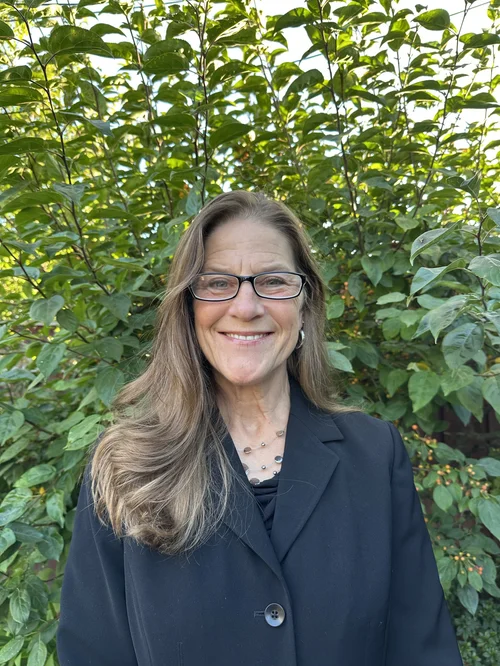
Leane Reelfs
AMFT & APCC
English

Mende Chang
AMFT
English, Mandarin

Maryam Bendary
ASW
English

Miguel Salvana
APCC
English, Tagalog
Saleha Pirzada
LCSW
English, Urdu
Diane Keller
AMFT
English
Leane Reelfs
AMFT & APCC
English
Mende Chang
AMFT
English, Mandarin
Maryam Bendary
ASW
English
Miguel Salvana
APCC
English, Tagalog
Our Child Therapy Process in California
What Our Clients Are Saying
"After some sudden and difficult life changes, I was desperate for help. However, everywhere I looked therapists in my area were either not accepting patients or had months' worth of wait. I was lucky to have found Trust Mental Health. They were able to get me connected with a therapist online. Taking sessions online through zoom has been easy and allows me the comfort of my own home. I wholeheartedly recommend this service. I can't thank Trust Mental Health enough for supporting me through difficult times."
WHY CHOOSE TRUST MENTAL HEALTH?
Experienced Therapists
Our team consists of certified professionals with years of clinical experience in treating trauma and related conditions.
Evidence-Based Treatment Methods
We use proven therapeutic approaches such as CBT, DBT, and other research-backed treatments to ensure effective results.
Personalized Care Plans
Every client receives a customized treatment plan tailored to their unique needs and goals.
In-Person & Virtual Options
We provide flexible therapy options including both in-office sessions and secure online appointments.
Compassionate, Non-Judgmental Environment
We create a safe, supportive space where you can openly share and begin your healing journey with confidence.
Continuous Support & Follow-Up
We stay with you throughout your journey, offering follow-ups and ongoing support to help maintain your mental well-being.
FAQS
-
Explain therapy in simple, positive terms, emphasizing that it's a place where they can talk about their feelings and get help with any problems they might have. Reassure them that the therapist is there to help and support them.
-
Children experiencing emotional distress, behavioral problems, developmental issues, trauma, family conflicts, or mental health disorders can benefit from therapy. Therapy can also support children during significant life changes, such as divorce, relocation, or the loss of a loved one.
-
Yes, therapy can address underlying emotional or behavioral issues that affect academic performance and social interactions. Therapists can work on skills like organization, focus, social skills, and managing peer relationships.
-
Therapy can be highly effective for many children, leading to significant improvements in behavior, emotional regulation, and overall well-being. Success depends on factors such as the child's engagement in therapy, the therapeutic approach, and family support.
-
It's common for children to feel hesitant about therapy. Building a trusting relationship with the therapist and involving the child in the process can help. Parents can also explain the purpose of therapy in a child-friendly way and emphasize its benefits.
-
Yes, parental involvement is often encouraged. Parents can provide valuable insights, support their child's progress, and learn strategies to reinforce therapy goals at home.


