





















What Is Depression Therapy?
Depression is more than just feeling sad. It can make everyday tasks feel exhausting, disconnect you from the people you love, and take away interest in things that once brought joy. Getting out of bed can feel heavy. Focusing can feel impossible. And sometimes, it feels like nothing will ever change.
If getting through the day feels overwhelming, you are not alone. Depression therapy in California provides a safe, confidential space where you can talk openly, understand what you’re experiencing, and begin healing with the guidance of a licensed therapist.
Therapy is not about “just thinking positive.” It’s about addressing the root causes, learning coping strategies, and rebuilding emotional balance step by step. At Trust Mental Health, we help individuals across California find the right path forward through personalized depression treatment — whether symptoms are mild, severe, recent, or long-standing.
Start Depression TherapyCommon Signs and Symptoms of Depression
Mental & Emotional Symptoms
- Feeling sad or depressed mood
- Lack of motivation
- Loss of interest in activities
- Feeling worthless or guilty
- Hopelessness
- Difficulty concentrating
- Thoughts of death or suicide
- Relationship issues
Behavioral Changes
- Loss of interest in hobbies
- Low energy levels
- Difficulty making decisions
- Withdrawal from activities
Physical Symptoms
- Fatigue
- Headaches
- Stomachaches
- Digestive issues
- Unexplained physical pain
Signs of Depression in Teens
- Withdrawal from friends and family
- Irritability or anger
- Risk-seeking behavior
- Low self-esteem
- Loss of appetite
- Sleep disturbances
- Substance abuse
WE OFFER THERAPY IN
English, Spanish, Mandarin, Hindi, Armenian, Tagalog, Hokkien, Mongolian, Japanese, Hebrew, French, Teochew, Italian, Arabic, Punjabi, Korean, Vietnamese, Urdu, Tamil, Malay, Thai, Taiwanese, Russian, German.

Our depression treatment options in california
Cognitive Behavioral Therapy (CBT)
Helps you identify and challenge negative thought patterns and replace them with healthier, more balanced thinking.
Dialectical Behavior Therapy (DBT)
Focuses on emotional regulation, distress tolerance, and improving interpersonal relationships, especially during depressive episodes.
Internal Family Systems Therapy (IFS)
Helps you understand and heal different parts of yourself, reduce inner conflict, and work through deep emotional wounds linked to depression.
Talk Therapy
Provides a safe space to explore depression, life stressors, grief, and emotional challenges impacting your mental well-being.
MEET OUR THERAPISTS

Saleha Pirzada
LCSW
English, Urdu

Diane Keller
AMFT
English
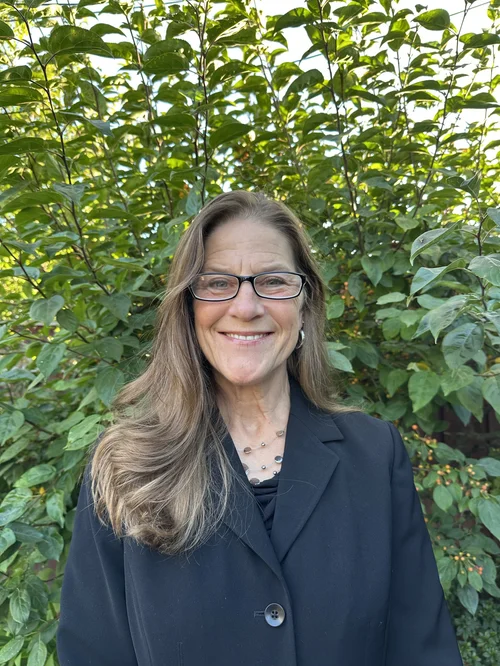
Leane Reelfs
AMFT & APCC
English

Mende Chang
AMFT
English, Mandarin

Maryam Bendary
ASW
English

Miguel Salvana
APCC
English, Tagalog
Saleha Pirzada
LCSW
English, Urdu
Diane Keller
AMFT
English
Leane Reelfs
AMFT & APCC
English
Mende Chang
AMFT
English, Mandarin
Maryam Bendary
ASW
English
Miguel Salvana
APCC
English, Tagalog
Our Depression Therapy Process in California
What Our Clients Are Saying
"After some sudden and difficult life changes, I was desperate for help. However, everywhere I looked therapists in my area were either not accepting patients or had months' worth of wait. I was lucky to have found Trust Mental Health. They were able to get me connected with a therapist online. Taking sessions online through zoom has been easy and allows me the comfort of my own home. I wholeheartedly recommend this service. I can't thank Trust Mental Health enough for supporting me through difficult times."
WHY CHOOSE TRUST MENTAL HEALTH?
Experienced Therapists
Our team consists of certified professionals with years of clinical experience in treating depression and related conditions.
Evidence-Based Treatment Methods
We use proven therapeutic approaches such as CBT, DBT, and other research-backed treatments to ensure effective results.
Personalized Care Plans
Every client receives a customized treatment plan tailored to their unique needs and goals.
In-Person & Virtual Options
We provide flexible therapy options including both in-office sessions and secure online appointments.
Compassionate, Non-Judgmental Environment
We create a safe, supportive space where you can openly share and begin your healing journey with confidence.
Continuous Support & Follow-Up
We stay with you throughout your journey, offering follow-ups and ongoing support to help maintain your mental well-being.
FAQS
-
While some mild cases of depression may improve without treatment, moderate to severe depression typically requires treatment. Seeking help can significantly improve the quality of life and prevent the condition from worsening.
-
The time frame for improvement varies. Some people may start to feel better within a few weeks of treatment, while for others, it may take several months. It's important to follow the treatment plan and communicate with your healthcare provider about progress.
-
Yes, therapy has been proven to be an effective treatment for depression. There are different therapy modalities that can be effective for depression, such as Cognitive Behavioral Therapy and Dialectical Behavior Therapy.
-
Someone may be more likely to develop depression due to experiences of childhood trauma, emotional neglect, postpartum experiences, a family history of depression, major life changes, or substance misuse.
-
Depression in women can manifest with a variety of emotional, physical, and behavioral symptoms. While many symptoms overlap with those experienced by men, some symptoms can be more pronounced or occur more frequently in women due to biological, hormonal, and psychosocial factors, including sleep disturbances, appetite changes, neglecting responsibilities, difficulty regulating emotions, and postpartum depression.


