




















Eating Disorder Therapy in California
Eating disorders affect both your mental and physical health, which is why recovery often requires more than one type of support. At Trust Mental Health, we offer a comprehensive approach by combining therapy with nutritional care, helping you work toward a healthier relationship with food and overall well-being.
Our care team includes experienced therapists and an in-house Registered Dietitian who work together to create a treatment plan that fits your individual needs. While therapy helps address the emotional and behavioral challenges behind disordered eating, our dietitian provides personalized nutrition guidance to support your physical health and recovery.
We use evidence-based therapies such as Cognitive Behavioral Therapy (CBT), Dialectical Behavior Therapy (DBT), and mindfulness techniques to help you develop healthier coping skills, improve body image, and build lasting habits. Combined with expert nutritional support, our goal is to help you feel healthier both mentally and physically.
Whether you're struggling with anorexia, bulimia, binge eating disorder, ARFID, or another eating-related concern, our team is here to support you every step of the way. We offer both in-person and virtual appointments throughout California, making it easier to access the care you need in a safe, supportive environment.
Book an AppointmentCommon Signs of an Eating Disorder
Physical Signs
- Sudden weight loss or weight fluctuations
- Frequent dizziness or fainting
- Constant fatigue and low energy
- Hair thinning or brittle nails
- Digestive problems, bloating, or constipation
- Feeling cold more often than others
- Irregular or missed menstrual periods
Behavioral Signs
- Skipping meals or restricting food intake
- Binge eating episodes
- Purging through vomiting or laxative use
- Exercising excessively to burn calories
- Avoiding social events involving food
- Strict food rules or eating rituals
Emotional & Psychological Signs
- Intense fear of gaining weight
- Negative body image or body dissatisfaction
- Obsession with calories, dieting, or food
- Guilt or shame after eating
- Anxiety, depression, or mood swings
- Self-worth tied to body shape or weight
When to Seek Professional Help
- Your eating habits are interfering with your daily life.
- You feel unable to control your eating behaviors.
- Your physical health is being affected.
- Food or body image is causing you ongoing emotional distress.
- You're avoiding friends, family, or social situations because of eating concerns.
- You're ready to take the first step toward recovery, we're here to help.
WE OFFER THERAPY IN
English, Spanish, Mandarin, Hindi, Armenian, Tagalog, Hokkien, Mongolian, Japanese, Hebrew, French, Teochew, Italian, Arabic, Punjabi, Korean, Vietnamese, Urdu, Tamil, Malay, Thai, Taiwanese, Russian, German.

Dietitian Support and Eating Disorder Treatment Options in California
Personalized Holistic Care Plans
Work with our Registered Dietitian to receive personalized nutrition guidance and holistic care plans that support eating disorder recovery, healthy eating habits, and long-term wellness.
Cognitive Behavioral Therapy (CBT)
Helps you identify and challenge negative thought patterns and replace them with healthier, more balanced thinking.
Dialectical Behavior Therapy (DBT)
Focuses on emotional regulation, distress tolerance, and improving interpersonal relationships, especially during eating disorder recovery.
Talk Therapy
Provides a safe, supportive space to explore emotions, relationships, life challenges, and the underlying factors contributing to eating disorders.
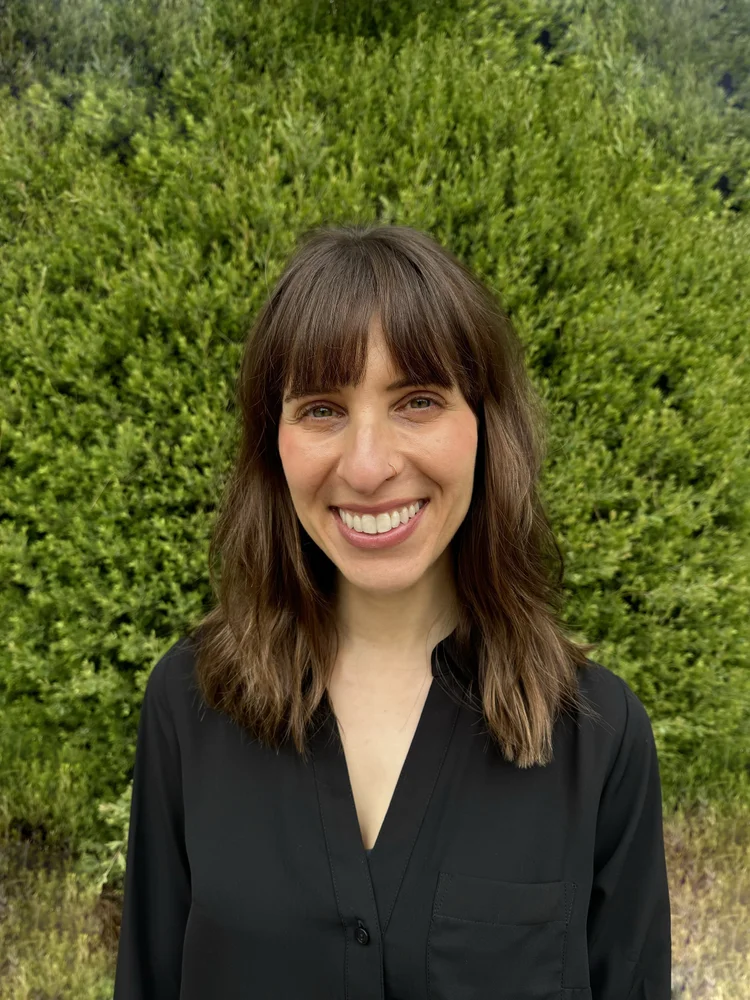
Sarah Miller
Languages: English
Sarah specializes in eating disorder recovery through personalized nutrition counseling and Medical Nutrition Therapy (MNT). She works collaboratively with clients to develop sustainable eating habits, improve their relationship with food, and support long-term physical and emotional well-being using compassionate, evidence-based care.
View Full ProfileLOOKING FOR HOLISTIC SUPPORT?
MEET OUR THERAPISTS

Saleha Pirzada
LCSW
English, Urdu

Diane Keller
AMFT
English
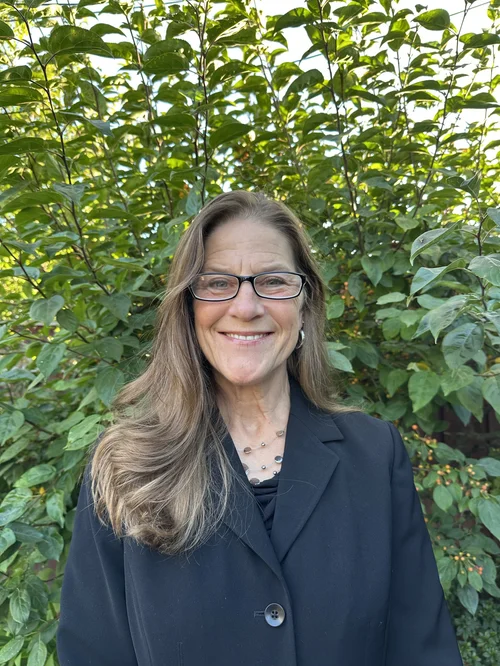
Leane Reelfs
AMFT & APCC
English

Mende Chang
AMFT
English, Mandarin

Maryam Bendary
ASW
English

Miguel Salvana
APCC
English, Tagalog
Saleha Pirzada
LCSW
English, Urdu
Diane Keller
AMFT
English
Leane Reelfs
AMFT & APCC
English
Mende Chang
AMFT
English, Mandarin
Maryam Bendary
ASW
English
Miguel Salvana
APCC
English, Tagalog
Our Eating Disorder Therapy Process in California
What Our Clients Are Saying
"After some sudden and difficult life changes, I was desperate for help. However, everywhere I looked therapists in my area were either not accepting patients or had months' worth of wait. I was lucky to have found Trust Mental Health. They were able to get me connected with a therapist online. Taking sessions online through zoom has been easy and allows me the comfort of my own home. I wholeheartedly recommend this service. I can't thank Trust Mental Health enough for supporting me through difficult times."
Why Choose Trust Mental Health?
Experienced Eating Disorder Specialists
Our therapists provide compassionate, evidence-based treatment for anorexia, bulimia, binge eating disorder, ARFID, and other eating disorders.
Registered Dietitian Support
Receive personalized nutrition counseling, meal planning, and Medical Nutrition Therapy (MNT) from our Registered Dietitian to support your recovery.
Collaborative Care
Your therapist and Registered Dietitian work together to address both the emotional and nutritional aspects of eating disorder recovery.
Personalized Treatment Plans
Every treatment plan is tailored to your unique needs, goals, and stage of recovery to provide the right level of support.
In-Person & Virtual Care
Choose between secure online sessions or in-person appointments, making eating disorder treatment accessible and convenient.
Long-Term Recovery Support
We provide ongoing guidance from both your therapist and Registered Dietitian to help you build healthy habits and maintain lasting recovery.
FAQS
-
A therapist helps address the emotional, psychological, and behavioral factors that contribute to eating disorders. Through evidence-based therapy, clients can build healthier coping skills, improve self-esteem, and work toward lasting recovery.
-
A Registered Dietitian provides personalized nutrition counseling, meal planning, and education to help restore healthy eating habits, improve nutritional balance, and support both physical and emotional healing.
-
Yes. Combining therapy with nutrition counseling provides a comprehensive approach to recovery. While a therapist addresses mental and emotional challenges, a Registered Dietitian focuses on rebuilding a healthy relationship with food and meeting nutritional needs.
-
Yes. Treatment is tailored to each individual's unique needs, goals, medical history, and recovery journey. A personalized care plan often includes therapy, nutrition support, and ongoing guidance.
-
Treatment can support individuals experiencing anorexia nervosa, bulimia nervosa, binge eating disorder, ARFID, OSFED, and other disordered eating patterns. Care is customized based on each person's symptoms and recovery goals.