




















Ketamine Integration Therapy in California
Ketamine-assisted treatment may be considered for people experiencing depression, severe anxiety, PTSD, or chronic pain, particularly when symptoms have not improved enough with traditional treatments. It may also be an option for people experiencing treatment-resistant mental health conditions.
At Trust Mental Health, we provide the therapy that follows ketamine treatment rather than administering or providing ketamine ourselves. Ketamine treatment is provided separately by our qualified partner, BetterU, while our therapists help you process and make meaning of your experience afterward.
This approach is often called ketamine integration therapy. Integration therapy gives you a supportive space to reflect on your experience, explore thoughts and emotions that may have surfaced, and connect those insights to your ongoing therapeutic goals and everyday life.
When possible, beginning integration therapy within 24 hours after ketamine treatment can provide an opportunity to work with the experience while it is still fresh. Your therapist can help you process what you experienced and develop practical ways to carry meaningful insights forward as part of your ongoing care.
If you are considering ketamine treatment for depression, severe anxiety, PTSD, chronic pain, or treatment-resistant symptoms, our therapists can provide the therapeutic support that comes after your ketamine experience.
Start Your JourneyWhat to Expect From Ketamine Integration Therapy
Before Treatment
- Discussing your mental health history and treatment goals
- Reviewing whether ketamine-assisted therapy may be appropriate
- Preparing for the treatment experience
- Identifying areas you would like to work on in therapy
During Treatment
- Professional support in a safe and comfortable setting
- Space to notice thoughts, emotions, and experiences
- Therapeutic guidance based on your individual needs
- Focus on your treatment goals and emotional well-being
After Treatment
- Reflecting on your experiences
- Processing emotions or insights that may arise
- Connecting experiences to your everyday life
- Developing healthier coping strategies
- Continuing therapeutic support as needed
Potential Benefits
- Greater awareness of thoughts and emotions
- New perspectives on difficult experiences
- Support for emotional processing
- Improved ability to work toward personal goals
- A personalized approach to mental health care
WE OFFER THERAPY IN
English, Spanish, Mandarin, Hindi, Farsi, Ukranian, Armenian, Tagalog, Hokkien, Mongolian, Japanese, Hebrew, French, Teochew, Italian, Arabic, Punjabi, Korean, Vietnamese, Urdu, Tamil, Malay, Thai, Taiwanese, Russian, German.

Benefits of Combining Ketamine Treatment With Psychotherapy
Combining ketamine treatment with psychotherapy, often called Ketamine-Assisted Psychotherapy (KAP), may support symptom relief while helping people develop healthier ways of thinking and responding.
Supporting Neuroplasticity
Ketamine may support the brain’s ability to form new connections, while therapy helps people develop healthier thought patterns and responses.
Understanding the Ketamine Experience
Therapists help people process emotions, thoughts, and memories that arise during treatment and apply helpful insights to daily life.
Exploring Difficult Emotions
Therapy provides a supportive space to explore anxiety, fear, and painful experiences at a manageable pace.
Building on Symptom Relief
Ketamine may reduce depression symptoms for some people, while therapy helps address patterns contributing to ongoing distress.
Developing Long-Term Coping Skills
Psychotherapy helps people build emotional awareness, healthier routines, and practical strategies for managing stress.
Combining ketamine treatment with psychotherapy may support symptom relief and psychological growth. Research is still developing, and treatment should be guided by qualified professionals.
Ketamine Integration Therapy Options in California
Cognitive Behavioral
Therapy (CBT)
Helps you identify and challenge negative thought patterns and replace them with healthier, balanced thinking.
Dialectical Behavior
Therapy (DBT)
Focuses on emotional regulation, distress tolerance, and improving interpersonal relationships.
Mindfulness Therapy
Helps you develop present-moment awareness, manage stress, and respond to thoughts and emotions with greater calm and understanding.
Talk
Therapy
Talk therapy offers a safe space to process your emotions and experiences. Our therapists help build insight and practical coping skills.
MEET OUR THERAPISTS

Saleha Pirzada
LCSW
English, Urdu

Diane Keller
AMFT
English
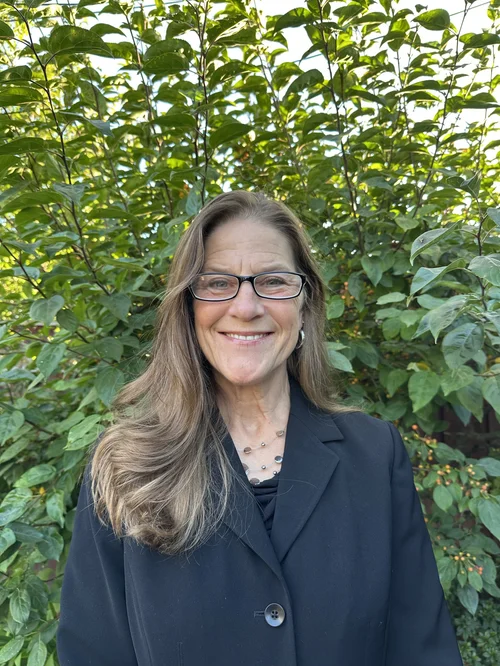
Leane Reelfs
AMFT & APCC
English

Mende Chang
AMFT
English, Mandarin

Maryam Bendary
ASW
English

Miguel Salvana
APCC
English, Tagalog
Saleha Pirzada
LCSW
English, Urdu
Diane Keller
AMFT
English
Leane Reelfs
AMFT & APCC
English
Mende Chang
AMFT
English, Mandarin
Maryam Bendary
ASW
English
Miguel Salvana
APCC
English, Tagalog
Our Ketamine Integration Therapy Process in California
What Our Clients Are Saying
"After some sudden and difficult life changes, I was desperate for help. However, everywhere I looked therapists in my area were either not accepting patients or had months' worth of wait. I was lucky to have found Trust Mental Health. They were able to get me connected with a therapist online. Taking sessions online through zoom has been easy and allows me the comfort of my own home. I wholeheartedly recommend this service. I can't thank Trust Mental Health enough for supporting me through difficult times."
WHY CHOOSE TRUST MENTAL HEALTH?
Experienced Mental Health Professionals
Our team provides compassionate mental health support and works with you to understand your needs, goals, and treatment preferences.
Personalized Treatment Approach
We take an individualized approach to care, creating a treatment plan that reflects your unique experiences and mental health goals.
Therapeutic Support
Therapy provides a supportive space to explore your experiences, process emotions, and work toward meaningful personal changes.
Preparation & Integration
We help you prepare for treatment and reflect on your experiences afterward, supporting you in connecting insights to everyday life.
Compassionate, Non-Judgmental Care
We create a safe and supportive environment where you can openly discuss your concerns, experiences, and goals without judgment.
Ongoing Mental Health Support
Our team can provide continued therapeutic support as you work through your goals and build healthier ways of navigating life.
FAQs
-
We do not provide or administer ketamine medication. Ketamine treatment is provided separately by our qualified partner, BetterU, while our therapists offer integration support to help you process your experience and apply meaningful insights to everyday life.
-
Ketamine-assisted therapy combines ketamine treatment with therapeutic support to help individuals explore their thoughts, emotions, and mental health goals in a structured setting.
-
It may be considered for people experiencing certain mental health concerns, particularly when traditional treatments have not provided sufficient relief. A qualified provider can determine whether it may be appropriate for you.
-
Treatment typically involves preparation, a professionally supervised ketamine treatment, and therapeutic support. Your care team can help you understand what to expect and provide guidance throughout the process.
-
Combining ketamine treatment with psychotherapy, known as Ketamine-Assisted Psychotherapy (KAP), may offer more support than medication alone. Ketamine may temporarily relieve symptoms, while therapy helps people process emotions, develop healthier thought patterns, and build coping skills.
The five potential benefits include supporting neuroplasticity, understanding ketamine experiences, exploring difficult emotions, building on symptom relief, and developing long-term coping skills.
Although research is still developing, KAP may support symptom relief and psychological growth when guided by qualified professionals as part of an individualized treatment plan.
-
Ketamine treatment should only be provided under appropriate medical supervision. Your provider will review your health history, medications, and individual circumstances to determine whether this treatment is suitable for you.
-
Yes! After completing ketamine treatment with BetterU, you can continue seeing your therapist at Trust Mental Health. Our therapists can support you with other concerns or challenges you may be navigating and help you continue integrating insights from your treatment into your daily life. Ongoing therapy also provides space to develop healthy coping strategies, work through difficult emotions, and continue making progress toward your mental health goals.


