The Impact of Media Representation on Mental Health: Why It Matters
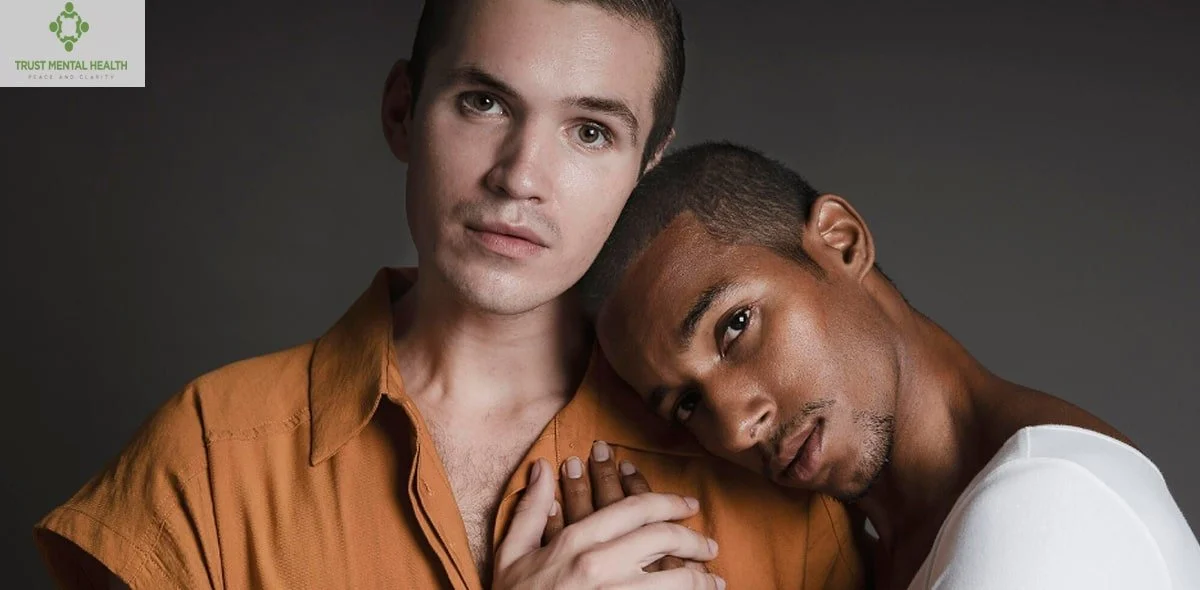
Representation in the media can lead to strong emotional reactions. Many people in marginalized communities (i.e. BIPOC, LGBTQ+ people, people living with disabilities, etc.) have not historically seen themselves in books, movies, and television shows. This blog post explores the importance of quality representation, as well as some of the risks associated with poor representation or an absence of representation.
Read More
Understanding Perfectionism: Recognizing, Managing, and Overcoming It
Many of us may struggle with the desire to be perfect. This could manifest by putting immense pressure on yourself, trying to complete all tasks alone, or setting unrealistic goals. All of these are examples of perfectionism. This blog post offers an understanding of the negative effects of perfectionism and some suggestions for strategies to overcome perfectionistic impulses.
Read More
Talking to Family Members About LGBTQ+ Identities
Talking to family members about LGBTQ+ identities is not always easy. Many family members may have questions that they do not know how to ask or may ascribe to stereotyping because they do not know better. This blog post aims to provide a starting place for engaging in conversation about queer identities this Pride Month.
Read More
Intimate Partner Violence in LGBTQ+ Relationships
Intimate Partner Violence (IPV) is the experience of violence or abuse in an intimate relationship. This could include physical, verbal, financial, or sexual abuse. This post discusses the nuances found in LGBTQ+ IPV contexts, such as threats of outing someone or not using a partner’s correct pronouns. Unfortunately, abuse in queer relationships is often ignored. This post is a good way to raise awareness and continue the conversation within your inner circle.
Read More
How Pride Month Impacts LGBTQ+ Mental Health
Happy Pride Month! Pride Month is often a highlight in many queer people’s years, offering unique opportunities for self-expression and community engagement. In this post, we explore some of the mental health risks queer people experience due to discrimination, the history of Pride Month, both positives and negatives involved in navigating celebrations, and strategies to help create the best month possible.
Read More
Understanding Depression in Men: Signs, Challenges, and Paths to Healing
Depression in men is not frequently discussed, even though it is a prevalent problem. This blog post discusses some of the complexities that impact men with depression, including the ways symptoms manifest, the impact of social stigma surrounding men’s emotions and mental health, and treatment options men can explore to help receive emotional support. Men deserve to feel supported through their mental health struggles.
Read More
Finding the Right Therapist for You: A Comprehensive Guide
Finding a therapist that works well for you can be a very daunting task. It is difficult to sort through all of the ideas of things you may want and need from a therapist while struggling with your mental health. This post aims to help. We identify some good things to reflect on before therapy, therapist red flags to look out for, and ways to make the best decision for you. You deserve to feel seen, understood, and safe in the therapeutic environment.
Read More
Nutrition and Mental Health
Research supports that nutrition has an effect on all systems of the body, including the brain. The human brain requires constant nutrients for optimal function. Without adequate nutritional intake, the brain is unable to complete daily tasks to the highest of its ability. Adding a Registered Dietitian as a member of your care team can improve outcomes for physical and mental health disorders. Dietitians are uniquely trained in nutrition science and medical nutrition therapy (MNT).
Read More