





















What Is Relationship Counseling?
Relationships can be meaningful and fulfilling, but they can also be challenging. Miscommunication, emotional distance, or ongoing conflict can leave you feeling frustrated, disconnected, or unsure how to move forward.
Relationship counseling in California provides a supportive and confidential space where individuals and couples can explore their concerns openly. Whether you're dealing with trust issues, communication breakdowns, or life transitions, therapy helps you better understand your relationship and create healthier patterns.
As humans, we are wired for connection. Strong relationships give us a sense of belonging and emotional security. But when relationships struggle, it can directly impact mental health, leading to stress, anxiety, or depression.
Therapy is not about placing blame — it’s about building awareness, improving communication, and learning practical tools to strengthen your connection. At Trust Mental Health, we support individuals and couples across California with personalized relationship counseling tailored to your unique needs.
Start Relationship CounselingCommon Relationship-Related Issues
Communication & Conflict
- Communication problems
- Family issues or conflict with loved ones
- Problems with coworkers or boss
- Changing values or opinions
Romantic & Intimacy Challenges
- Difficulty finding a romantic partner
- Trust and intimacy issues
- Dating fears
- Struggles surrounding the first year of marriage
Parenting & Family Dynamics
- New parenthood challenges
- Repairing relationships between children and parents
- Blended family difficulties
- Generational conflicts
Emotional & Grief Issues
- Signs of emotional, physical, or mental abuse
- Coping with breakups or divorce
- Stages of grief following a breakup
- Managing long-term emotional stress
WE OFFER THERAPY IN
English, Spanish, Mandarin, Hindi, Tagalog, Hokkien, Hebrew, French, Teochew, Italian, Arabic, Punjabi, Korean, Vietnamese, Urdu, Tamil, Malay, Thai, Taiwanese, Dari and Farsi, Russian, German.

Our Relationship Counseling Options in California
Cognitive Behavioral Therapy (CBT)
Helps you identify and challenge negative thought patterns and replace them with healthier, balanced thinking.
Dialectical Behavior Therapy (DBT)
Focuses on emotional regulation, distress tolerance, and improving interpersonal relationships — especially helpful for intense mood swings or overwhelming emotions.
Mindfulness-Based Therapy
Teaches grounding techniques and present-moment awareness to reduce rumination, anxiety, and emotional overwhelm.
Talk Therapy
Provides space to explore life stressors, grief, trauma, and relationship difficulties that may be contributing to depression.
MEET OUR THERAPISTS

Saleha Pirzada
LCSW
English, Urdu

Diane Keller
AMFT
English
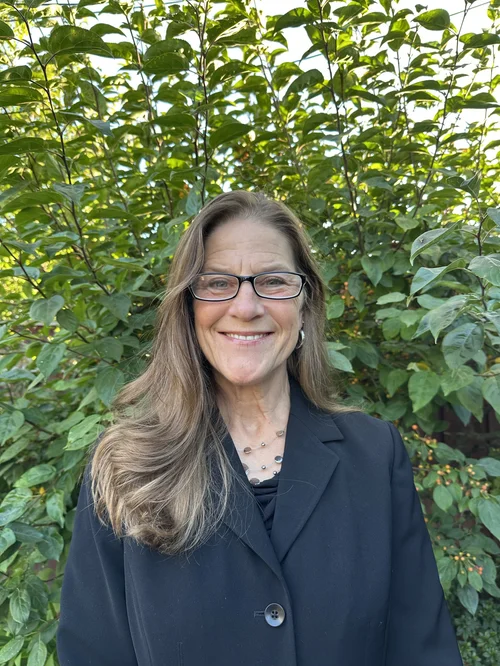
Leane Reelfs
AMFT & APCC
English

Mende Chang
AMFT
English, Mandarin

Maryam Bendary
ASW
English

Miguel Salvana
APCC
English, Tagalog
Our Relationship Counseling Process in California
WHY CHOOSE TRUST MENTAL HEALTH?
Experienced Therapists
Our team consists of certified professionals with years of clinical experience in treating depression and related conditions.
Evidence-Based Treatment Methods
We use proven therapeutic approaches such as CBT, DBT, and other research-backed treatments to ensure effective results.
Personalized Care Plans
Every client receives a customized treatment plan tailored to their unique needs and goals.
In-Person & Virtual Options
We provide flexible therapy options including both in-office sessions and secure online appointments.
Compassionate, Non-Judgmental Environment
We create a safe, supportive space where you can openly share and begin your healing journey with confidence.
Continuous Support & Follow-Up
We stay with you throughout your journey, offering follow-ups and ongoing support to help maintain your mental well-being.
Book a Free 15-Minute Consultation for Depression Therapy
FAQS
-
Yes, therapy can help with relationship issues. There are a few different ways to achieve this. Some couples may opt to engage in individual therapy to process their relationship challenges separately, while others may prefer couples counseling to tackle problems together. Trust Mental Health offers both possibilities. Reach out today for a free fifteen-minute consultation to learn more about our options and to decide what is best for your circumstances.
-
Couples counseling will not be a magic solution to the problems in one’s relationship; however, it may serve as a worthwhile option for couples who are both looking to work hard to improve aspects of the relationship, such as communication, problem-solving, and conflict resolution.
-
Yes, therapy has been proven to be an effective treatment for depression. There are different therapy modalities that can be effective for depression, such as Cognitive Behavioral Therapy and Dialectical Behavior Therapy.
-
Someone may be more likely to develop depression due to experiences of childhood trauma, emotional neglect, postpartum experiences, a family history of depression, major life changes, or substance misuse.
-
Depression in women can manifest with a variety of emotional, physical, and behavioral symptoms. While many symptoms overlap with those experienced by men, some symptoms can be more pronounced or occur more frequently in women due to biological, hormonal, and psychosocial factors, including sleep disturbances, appetite changes, neglecting responsibilities, difficulty regulating emotions, and postpartum depression.


